Health and Safety Policy — Commercial Waste Removal Sidcup
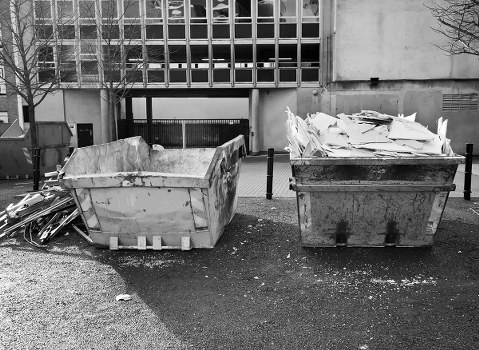 Purpose: This Health and Safety policy sets out the approach and responsibilities for safe operation of our commercial waste removal activities. It applies to all staff, contractors and partners involved in the provision of commercial waste removal Sidcup services and associated commercial rubbish collection duties. The aim is to reduce risk to people and property while ensuring compliant, efficient rubbish removal in Sidcup and surrounding service areas.
We are committed to conducting regular risk assessments, maintaining safe vehicles and equipment, and ensuring that every employee understands their role in maintaining a safe work environment. This policy is maintained as part of our legal and operational framework for commercial waste collection Sidcup operations and is reviewed periodically to reflect best practice and changes in operational risk.
 Scope: This policy covers routine and non-routine tasks including loading and unloading, vehicle movements, depot activities, on-site commercial rubbish clearance, and the handling of potentially hazardous materials during contracted waste removal Sidcup jobs. It outlines the steps necessary to control hazards and prevent incidents, including slips, trips, manual handling injuries, and vehicle-related accidents.
Responsibilities and Management
Management has overall responsibility for health and safety and must ensure that procedures and resources are in place. Supervisors and team leaders must:- Ensure induction and ongoing training for staff;
- Monitor compliance with safe working procedures;
- Report and investigate incidents promptly.
Risk Assessment and Controls
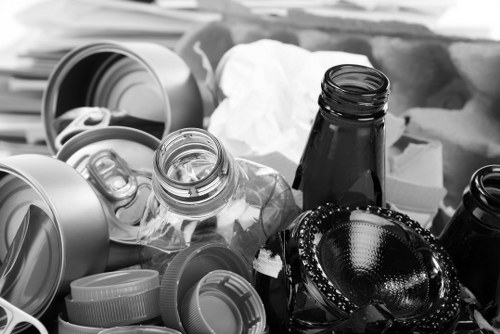
Comprehensive risk assessments shall be conducted for each contract and site prior to work commencement. Control measures include:- Clear segregation of waste types to reduce contamination risk;
- Use of mechanical aids and safe lifting techniques to reduce manual handling injuries;
- Traffic management plans for on-site and roadside collections;
- Safe systems for handling hazardous or unknown materials, including isolation and specialist disposal where required.
Training and Competence: All employees engaged in commercial waste collection Sidcup operations will receive role-specific training, including defensive driving for waste vehicles, correct use of lifting equipment, safe loading and unloading, and hazardous waste awareness. Training is recorded and refreshed at planned intervals or when duties change. Competence is a prerequisite for unsupervised work.
Personal Protective Equipment (PPE): Appropriate PPE must be provided and worn at all times as required by the activity — for example, hi-vis clothing, gloves, steel-toe boots and eye protection. PPE is part of a hierarchy of controls and must be maintained and replaced when damaged. Supervisors must ensure compliance and report shortages.
 Vehicles, Plant and Equipment Safety Vehicles and plant used for waste transport and handling shall be maintained to a high standard, with pre-shift checks completed and recorded. Defects that affect safety must be reported and the asset taken out of service until repaired. Loading limits must not be exceeded and securement of loads is mandatory to prevent spillage and injury on the public highway.
 Emergency Procedures and Incident Reporting: A clear response plan shall be in place for incidents including spills, personal injury, fire and vehicle collisions. Staff are trained to secure the scene, administer first aid where trained, and alert emergency services. All incidents, near misses and property damage must be reported promptly and investigated to identify root causes and implement corrective actions.
Handling Hazardous and Special Waste Special wastes (e.g., asbestos, sharps, chemical containers) present elevated risks. These materials must be identified prior to handling, segregated and processed in accordance with specialist procedures. Where identification is uncertain, items must be treated as hazardous until assessed by a competent person. Contracts requiring hazardous waste removal will only be undertaken by trained teams and authorised carriers, following the applicable hazardous waste protocols.
Monitoring, Audit and Continuous Improvement
Safety performance is monitored through regular site audits, toolbox talks and incident trend analysis. We use key performance indicators such as incident frequency, near-miss reports and training completion rates to drive improvements. Lessons learned are shared with staff and embedded into practices to strengthen the commercial rubbish service Sidcup offering and reduce future risk.Policy Review and Legal Compliance: This policy is reviewed at least annually or when significant operational changes occur. While tailored for our waste removal operations, it aligns with relevant statutory requirements and industry standards applicable to commercial waste removal Sidcup activities. The review process includes input from management, health and safety representatives and frontline staff to ensure practicality and effectiveness.
Worker Involvement and Communication: Employees are encouraged to participate in safety committees, report hazards and contribute suggestions for safer working methods. Clear communication channels ensure that safety notices, procedural updates and training schedules are conveyed effectively.
Conclusion: Our commitment to a safe working environment underpins the provision of reliable commercial waste collection Sidcup services. Through proactive risk management, competent personnel, maintained equipment and a culture of continuous improvement, we aim to protect people, property and the environment while delivering professional rubbish removal services across our service area.
Signed and endorsed by senior management as the organisational health and safety statement for commercial waste removal activities. This policy is enforced across all operational sites and reviewed periodically to maintain compliance and effectiveness.