Commercial Waste Removal in Sidcup
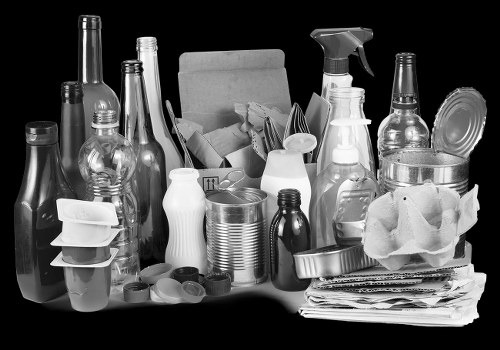
Commercial waste removal in Sidcup needs to be practical, tidy and straightforward, with collections arranged around the demands of offices, shops, workshops and other business premises. We provide a service focused on taking away general commercial rubbish, mixed non-hazardous waste and bulky items that build up during day-to-day trading, refurbishments or clear-outs. The aim is to keep premises clear without making the process complicated, so you can deal with waste in a structured way and move on with work.
Our approach is suited to businesses that want a reliable collection for regular waste as well as one-off removals. Typical materials can include packaging, cardboard, old fixtures, redundant office items, broken shelving and similar non-specialist waste, handled within the limits of the service. Where a job involves different waste streams, we separate what can be collected from what needs a different disposal route, helping the service stay clear and workable.
For an initial discussion, it helps to note what type of waste you have, how much space it occupies and whether there are access restrictions. If the load includes awkward or heavy items, that detail helps shape the right collection approach. Tell us what needs removing and we can discuss a suitable way to deal with it.
Business waste collections for everyday commercial premises
Business waste is often less about dramatic clear-outs and more about repeated accumulation: packaging from deliveries, worn-out stockroom items, broken display pieces or general rubbish from routine operations. Our business waste removal service is designed to help with those practical jobs, especially where items are too much for ordinary bins and need organised loading and removal. It is a useful option for premises that need a tidy reset without disruption to the working day.
We can handle mixed waste that comes from normal trading activities, provided it is suitable for a commercial collection. When planning a job, it helps to think about whether items are loose, bagged, boxed or stacked, as that can influence loading time and vehicle space. Business waste removal is the most relevant page if your main need is ongoing or occasional waste collection for a workplace rather than a full property clearance.
What this type of collection usually suits
Commercial waste collection is often the right choice for stockrooms, small workshops, retail back areas and shared business units. It can also be used after reorganisation, when shelves, packaging or unwanted fittings no longer have a place. The key point is that the service is built around commercial-scale rubbish removal, so the contents should be described clearly and kept within the accepted material types.
Office waste removal for clear desks, back rooms and refits
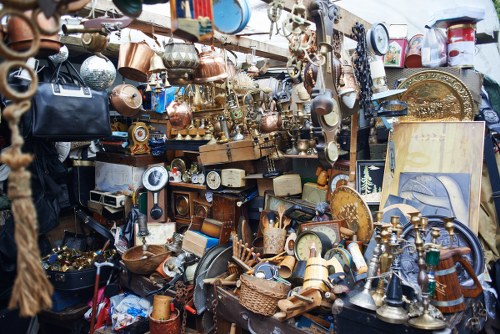
Office waste removal is useful when a workplace needs to dispose of outdated furniture, redundant equipment, archive clutter or general rubbish left behind after a move or fit-out. We deal with practical office items that can be collected and removed efficiently, helping you clear space without having to organise waste in several separate arrangements. This is often the right service when the main task is a substantial tidy-up rather than a specialist disposal problem.
Offices can produce mixed waste that includes packaging, office chairs, filing materials, small fittings and similar items. It helps to separate anything confidential or sensitive from ordinary rubbish so the correct handling route can be chosen. If shredding or secure paperwork disposal is part of the job, that should be raised separately. For standard office clearances, the focus remains on removing unwanted items and leaving the area easier to use.
Where access is tight, a lift is unavailable or items need to be moved from several rooms, it is sensible to mention that early. Simple detail about floors, loading points and any dismantling required can make the collection plan more accurate. If you are comparing options, office clearance is a helpful page to review alongside a broader collection request.
Furniture removal and disposal for bulky unwanted items
Furniture removal and disposal is often needed when offices, shops or commercial rented spaces need to clear chairs, desks, storage units, tables or display fixtures. Bulky items take planning because they can be awkward to move through narrow corridors, stairs or shared entrances. We handle furniture removal as part of a commercial waste service, keeping the process focused on safe loading and suitable disposal.
Not every piece of furniture needs the same treatment. Some items may be reusable, some recyclable and some only suitable for disposal because they are damaged or no longer fit for use. It is best to describe the condition and type of each item so that the right approach can be taken. Furniture disposal is a useful destination if the main concern is getting rid of unwanted items that are no longer needed in a business setting.
Use this service for bulky items where a normal waste bin or general rubbish collection would not be appropriate. If the furniture comes from an office, reception area, waiting room or stockroom, list what needs moving and whether it is freestanding or fixed. That information helps keep the removal efficient and avoids confusion on the day.
Bulky item clearance for appliances, mattresses and mixed hard waste

Some commercial premises generate awkward items that do not fit neatly into standard waste categories. Fridge units, appliances, old mattresses, sofas and other bulky hard waste may need a separate collection because they require more careful handling than ordinary rubbish. We can help with these item types where they are suitable for the service and can be collected safely from the premises.
This kind of work is especially useful after refurbishments, tenant changes or stock replacement, when items have to be removed quickly from storage rooms, staff areas or customer-facing spaces. Not all bulky waste is the same, and some items may need to be moved with extra care because of weight, size or fittings. A clear description of what is present makes it easier to decide whether a collection can be arranged together or should be split into separate loads.
If you are dealing with a mix of old furnishings and appliances, the relevant pages can help you identify the most suitable route. For example, fridge and appliance removal is useful for white goods, while mattress and sofa disposal suits larger soft furnishings. Choosing the closest match helps keep the collection well organised.
Clearances for garages, storage areas and back rooms
Commercial properties often use garages, cupboards, plant rooms or back rooms as overflow storage, which means unwanted items can build up out of sight. Our garage clearance service is suitable for many of those locations when the contents are mostly general clutter, mixed waste or redundant items that need to be taken away in one go. It is a practical choice for landlords, trades, retailers and small businesses that need order restored to an underused space.
These clearances can include boxes, broken equipment, shelving, offcuts and other items that no longer serve a purpose. If some objects are reusable or valuable, it is worth identifying them before the collection begins so they are not mixed in with waste. Garage clearance covers this sort of space well, especially when the storage area has become difficult to navigate or use efficiently.
Clearances from storage-heavy areas can take longer if access is limited or if contents are piled in layers. A simple list of the main items is usually enough to judge the scale of the job. That is often the difference between a straightforward load and one that needs more careful planning before collection.
Waste removal for shops, units and general commercial premises
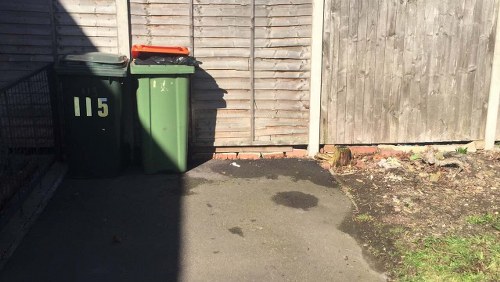
General waste removal is the broadest option when a business has mixed rubbish that does not sit neatly within a single specialised category. It works well for day-to-day commercial premises, light industrial units and smaller sites that need a flexible way to remove unwanted material. The service is focused on practical clearance rather than repeated discussions about the same task, so the emphasis stays on what needs taking away and how it should be handled.
This can suit a wide range of commercial rubbish, including packaging, broken fixtures, mixed non-hazardous debris and other items that are awkward to dispose of through ordinary collection channels. Where the load includes more specific waste types, it helps to separate those from the general materials so the collection can be planned correctly. Waste removal is the broad service page to review when the job is not limited to one exact kind of item.
For larger jobs, it is useful to think in terms of access, volume and weight rather than just the type of waste. A premises with loading restrictions, upper-floor storage or several disposal points may need a slightly different arrangement from a single room clear-out. That kind of practical detail supports a smoother collection and a cleaner result.
Refurbishment and builders waste from commercial works
Commercial refurbishments, alterations and maintenance projects can leave behind mixed builders waste such as packaging, offcuts, broken fittings and removed fixtures. Our builders waste clearance service is intended for that sort of material where it is suitable for collection and does not require a specialist disposal route. It is often the most efficient way to deal with waste left behind after a small fit-out or internal works programme.
Building-related waste needs clear description because the contents may vary from light debris to heavier broken materials. If the job includes sharp edges, dust, timber, plasterboard or dismantled fittings, those details should be identified before collection. Builders waste clearance is the most relevant page when the waste comes directly from renovation, installation or construction-related work.
It is useful to separate what is ready for loading from what is still attached or fixed in place. If items must be dismantled first, that should be noted so the collection can be arranged realistically. Clear description is important on this type of job because it helps keep the removal safe, tidy and efficient.
About Sidcup
Sidcup is a suburban district in south-east London, sitting within the London Borough of Bexley and close to the boundary with the London Borough of Bromley. Historically part of Kent, it grew from a village and rural parish into a developed suburban centre as rail links encouraged residential expansion in the nineteenth and twentieth centuries. The area is known for a mix of older streets, interwar housing and later commercial development, giving it a varied built character rather than a single architectural style. Main roads and local centres give it a practical town feel, while nearby green spaces preserve a more open suburban edge. Sidcup’s position on the routes between central London, Bexley and Bromley has long shaped its identity as a connected local centre rather than an isolated district. The area also has educational and cultural associations, including its links with Rose Bruford College, which has contributed to a modest performance and arts presence. Parks, churchyards and tree-lined residential roads soften the urban fabric, and the surrounding landscape still reflects the transition from former Kent countryside to outer London suburb. That mixture of civic functions, housing and retained open spaces is part of what gives Sidcup its character.
Planning a commercial collection that fits your site

Once you know what needs removing, the next step is to think about practical access and timing. Commercial collections work best when the waste is grouped sensibly, the route out of the property is clear and any separate materials are already identified. If there are multiple rooms, floors or storage areas involved, it helps to mention that early so the collection can be planned around the layout rather than treated as a simple single-point pickup. Good preparation makes the visit easier and helps avoid delays.
For many customers, one short list is enough: the main items, approximate volume, any heavy pieces, and whether anything is awkward to reach. If photographs are available, they can help provide context, but a written description is also useful on its own. Where a business is comparing waste services or deciding between linked pages, pricing and quotes can help frame the enquiry in practical terms. Please note the details of your waste and ask for a quotation today.
If you are ready to move forward, send the key details and ask for a quotation in the way that suits you best. Whether the job is a compact office load, a bulky furniture clearance or a larger commercial rubbish collection, the aim is to provide a clear, workable service. Contact us for a quotation and let us know what needs removing.
Collections shaped around waste type, access and disposal route
Different commercial waste streams benefit from being handled separately because not every item can be treated in the same way. A load of office furniture, for example, has different practical needs from refurbishment debris or mixed general rubbish. Thinking about the waste by type helps keep the service efficient and makes it easier to direct each material to the right disposal route. That is especially important when a premises generates several kinds of unwanted items at once.
Useful distinctions include whether items are reusable, recyclable, bulky, fragile or simply general rubbish. If you are dealing with mixed contents, describe the main categories rather than trying to guess every individual item. This is where a straightforward, factual description is valuable, because it allows the collection to be arranged to suit the actual load. When the mix includes several item types, the most appropriate service page can help steer the enquiry.
Our goal is to make commercial waste removal manageable without overcomplicating the process. If you have access notes, loading restrictions or fixed items that need to stay in place, include them with the enquiry. That kind of information supports a clearer quotation and keeps the job aligned with the reality of the site.
Preparing commercial waste for collection
There are a few simple ways to make a commercial collection easier without turning preparation into a major task. Where waste is loose, grouping it into a single area can speed loading and reduce confusion about what is to go. Boxed or bagged rubbish is easier to assess than scattered materials, and clearly separating items that are staying from items that are leaving reduces the risk of mistakes during removal.
It also helps to flag anything unusually heavy, awkward or fixed in place. If an item needs dismantling, or if it must be carried down stairs, through narrow access or from a rear yard, those points are best mentioned in advance. That does not mean every detail has to be perfect; it simply gives enough information to make the collection plan practical and accurate.
For mixed commercial loads, one of the simplest steps is to create a clear pickup point. That can reduce handling time and make the job more orderly. If you are ready to arrange your collection, book online when it suits you, or use the contact route if you prefer to talk through the waste first.